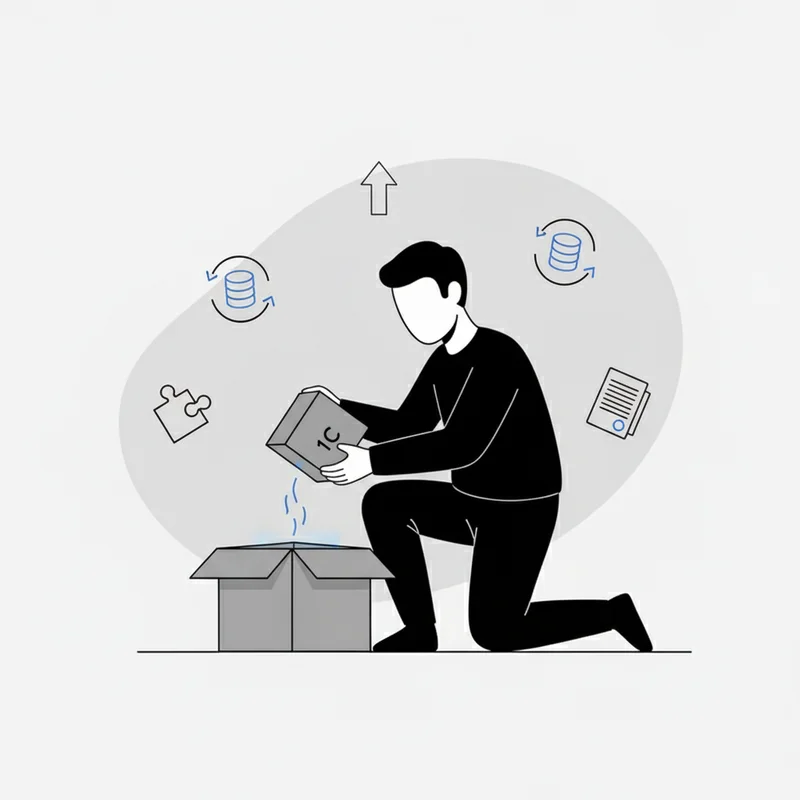
Key Takeaways: DPA Integration for Tax Efficiency
DPA integration is the process of connecting a business's internal systems, such as ERP or accounting software, directly with the State Tax Service of Ukraine (DPA) via its official APIs. This enables seamless, automated exchange of tax-related data and documents, fundamentally transforming tax reporting from a manual, error-prone task into an efficient digital workflow.
- Automated submission of tax declarations and reports directly from internal systems.
- Significant reduction in manual data entry, minimizing human error and saving time.
- Enhanced compliance and transparency through real-time data synchronization with the DPA.
- Facilitation of electronic document management for invoices, acts, and other primary documents.
- Strategic response to the ongoing digitalization of tax service and the ban on legacy software like 1C/BAS.
Why DPA Integration is Critical for Modern Business
In today's rapidly evolving digital landscape, businesses face increasing pressure to optimize operations and ensure compliance. For companies in Ukraine, the need for robust DPA integration has never been more urgent. The State Tax Service of Ukraine (DPA), in collaboration with international partners like the IMF, is actively pursuing a comprehensive reform of tax administration, emphasizing maximum digitalization and a shift to a service-oriented model. This means businesses must move beyond traditional, manual tax processes to embrace sophisticated digital solutions.
The goal is clear: to simplify tax interaction, enhance transparency, and reduce the human factor in reporting. For businesses, this translates into a direct imperative to implement tax reporting automation. Illia Hryhor, a business process automation specialist, consistently highlights that effective DPA integration is no longer a luxury but a fundamental requirement for operational efficiency and strategic advantage.
The Mandate for Digitalization: Post-1C Era
A significant catalyst for accelerating the adoption of DPA integration is the official ban on legacy software like 1C and BAS in Ukraine, effective January 2026. This governmental decision, driven by national security considerations, mandates a complete overhaul of accounting and ERP systems for many Ukrainian businesses. As companies transition to alternative, modern ERP solutions (e.g., SAP, Microsoft Dynamics 365, Odoo, or local Ukrainian alternatives), the opportunity arises to build robust ERP DPA integration from the ground up.
This transition isn't just about replacing software; it's about re-engineering core business processes to align with a fully digital tax ecosystem. The ban on 1C/BAS creates a unique window for businesses to not only migrate their data but also to implement advanced new ERP systems integration that inherently supports tax reporting automation. This strategic shift is vital for maintaining business continuity and competitiveness.
What is DPA Integration for Automated Tax Reporting?
DPA integration refers to the technical connection established between a company's financial or ERP system and the State Tax Service's digital infrastructure. This connection is typically facilitated through a tax API (Application Programming Interface), which acts as a secure, standardized conduit for data exchange. Instead of manually preparing reports, printing them, and submitting them through various channels, DPA integration allows for automated generation, validation, and submission directly from the source system.
This process transforms the traditional, often cumbersome, tax compliance cycle. For instance, an ERP system can automatically pull transactional data, populate tax forms, and send them to the DPA, receiving confirmation of receipt and processing status in return. This level of automation significantly contributes to the overall digitalization of tax service, making interactions with the state more efficient and less prone to human error.
Key Benefits of Tax Reporting Automation
Implementing tax reporting automation through DPA integration delivers a multitude of benefits that directly impact a business's bottom line and operational efficiency. Studies show that automation can reduce compliance costs by up to 20-30% for large enterprises.
- Reduced Manual Effort and Time Savings: Automation eliminates the need for manual data entry, reconciliation, and form filling. This frees up accounting and finance teams to focus on strategic analysis rather than repetitive tasks.
- Minimized Errors and Improved Accuracy: Automated systems reduce the risk of human errors that often lead to penalties and rework. Data is pulled directly from the source, ensuring consistency and accuracy.
- Enhanced Compliance and Reduced Risk: Real-time validation against DPA regulations helps ensure that all reports are compliant before submission, significantly lowering the risk of fines and legal issues.
- Increased Transparency and Auditability: Every transaction and submission is logged, providing a clear audit trail that can be easily accessed and reviewed.
- Faster Processing and Feedback: Submissions via tax API are processed almost instantly, with immediate feedback on receipt and status, allowing for quicker adjustments if needed.
- Simplified Tax Interaction: The entire process becomes streamlined, making interactions with the DPA less complex and more predictable.
Essential Components of ERP DPA Integration
A successful ERP DPA integration involves several critical components that must be carefully designed and implemented. Illia Hryhor emphasizes a holistic approach that considers both technical capabilities and business process alignment.
- API Gateway and Connectors: Secure and robust connectors are needed to establish communication between your ERP system (e.g., SAP, Oracle, Microsoft Dynamics) and the DPA's tax API. These often involve middleware or integration platforms like n8n or Make.com.
- Data Mapping and Transformation: Tax forms require specific data formats. Your system must accurately map internal data fields to DPA requirements and transform them as necessary.
- Electronic Document Management System (EDMS): For primary documents like invoices, acts, and waybills, an integrated EDMS is crucial. This facilitates the secure storage, signing (e.g., with electronic digital signature), and exchange of legally binding electronic document management with the DPA and counterparties.
- Workflow Automation: Beyond mere data submission, true automation includes workflows for review, approval, and error handling before final submission. This ensures human oversight where necessary.
- Security and Authentication: All communications must be encrypted and authenticated, typically using digital signatures and secure protocols, to protect sensitive financial data.
- Monitoring and Logging: A system to monitor the status of submissions, track responses, and log all interactions is essential for auditing and troubleshooting.
Overcoming Challenges in Digitalization of Tax Service
While the benefits of DPA integration are substantial, businesses may encounter challenges during implementation. Recognizing and planning for these can ensure a smoother transition to the digitalization of tax service.
"The shift to a fully digital tax environment is not just a technological upgrade; it's a cultural and procedural transformation. Businesses must be prepared to re-evaluate existing workflows and invest in training to fully leverage the power of automation," notes Illia Hryhor.
Common challenges include:
- Data Quality and Consistency: Inaccurate or inconsistent data within your ERP system can lead to errors in automated reports. A thorough data cleansing process is often required before integration.
- System Compatibility: Integrating older, highly customized ERP systems with modern APIs can be complex. This might necessitate upgrades or the use of specialized integration platforms.
- Regulatory Changes: Tax laws and reporting forms can change frequently. The integration solution must be flexible enough to adapt quickly to new DPA requirements without extensive re-coding.
- Security Concerns: Transmitting sensitive financial data requires robust security measures. Ensuring compliance with data protection laws and DPA security protocols is paramount.
- User Adoption: Employees accustomed to manual processes may resist new automated workflows. Effective change management and training are crucial for successful adoption.
The Role of Tax API in Modern Reporting
The tax API is the technical backbone of modern tax reporting automation. As the DPA continues its journey towards full digitalization, the availability and functionality of these APIs will expand, offering even greater opportunities for businesses. An API allows different software applications to communicate with each other, exchanging data and triggering actions without human intervention.
For example, a business can leverage the DPA's tax API to automatically:
- Query the status of previously submitted reports.
- Verify counterparty VAT registration details.
- Submit financial statements and declarations directly.
- Receive official notifications and communications from the DPA.
The strategic importance of APIs extends beyond just tax. As discussed in the context of "AI and API as strategic assets," APIs are becoming the universal connectors for all business automation, including CRM, banking, and AI-driven business processes. This trend highlights the long-term value of investing in robust API integration capabilities.
Real-World Application: Automating Excise Tax Reporting
A tangible example of DPA integration in action is the automation of excise tax reporting. With updates to excise tax reporting forms, effective March 1, 2026, businesses dealing with excisable goods face continuous adjustments. Manually updating and submitting these forms can be time-consuming and prone to errors.
Through DPA integration, a company's inventory management or production system can automatically track quantities of excisable goods, calculate the relevant tax, and populate the new DPA forms. This data is then securely transmitted via the tax API to the DPA, ensuring compliance with the latest regulations without manual intervention. This not only streamlines the process but also provides real-time visibility into tax liabilities, allowing businesses to better manage their finances and simplify tax interaction.
Illia Hryhor's Vision for Simplified Tax Interaction
Illia Hryhor's expertise in business process automation is particularly relevant in the context of DPA integration. His approach focuses on creating intelligent, resilient systems that not only automate tasks but also provide strategic insights and reduce operational overhead. For Illia, simplify tax interaction is about more than just submitting forms; it's about embedding compliance into the very fabric of a business's operations.
This involves:
- End-to-End Automation: From transaction capture to final submission and archiving, automating the entire tax reporting lifecycle.
- Proactive Compliance: Implementing systems that can alert businesses to potential compliance issues before they become problems.
- Scalability: Designing integration solutions that can scale with business growth and adapt to evolving regulatory environments.
- Data-Driven Decision Making: Using the rich data generated by automated systems to inform financial planning and strategy.
Illia's work helps businesses not just cope with the digitalization of tax service but thrive within it, turning regulatory requirements into opportunities for efficiency and growth. His methodologies ensure that DPA integration projects are implemented smoothly and deliver tangible value.
Future Trends: AI in Tax Reporting Automation
The future of tax reporting automation is increasingly intertwined with artificial intelligence. As discussed in the trend of "AI becoming a driver and consumer of APIs," AI can elevate DPA integration to new levels. Imagine AI algorithms analyzing transactional data for potential tax implications, identifying discrepancies, or even predicting future tax liabilities based on business trends.
AI-powered tools can further simplify tax interaction by:
- Predictive Analytics: Forecasting tax obligations, helping businesses with cash flow management.
- Anomaly Detection: Identifying unusual transactions that might trigger audits or indicate errors.
- Automated Reconciliation: Matching internal records with DPA data for faster and more accurate reconciliation.
- Intelligent Document Processing: Extracting relevant data from unstructured documents (e.g., scanned invoices) to feed into the reporting system.
The integration of AI with tax API capabilities will create highly intelligent and adaptive tax compliance systems, further reducing the burden on businesses and enhancing the accuracy of their reporting.
Choosing the Right Partner for DPA Integration
Embarking on a DPA integration project, especially in the context of a ban on legacy systems like 1C/BAS or ongoing digitalization of tax service, requires specialized expertise. It's not merely a technical task but a strategic business decision. The right partner can navigate the complexities of API specifications, ensure data security, and design workflows that truly optimize your tax processes.
When selecting an integration partner, consider their experience with:
- Ukrainian tax legislation and DPA requirements.
- Various ERP systems and their integration capabilities.
- Secure electronic document management solutions.
- Custom API development and third-party integration platforms like n8n or Make.com.
- Robust data migration strategies, particularly relevant for businesses moving away from 1C.
A seasoned expert like Illia Hryhor brings not just technical know-how but also a deep understanding of business processes, ensuring that your ERP DPA integration delivers maximum value and truly achieves tax reporting automation.
Frequently Asked Questions
What is DPA integration in the context of tax reporting?
DPA integration is the process of electronically connecting a company's internal accounting or ERP systems with the State Tax Service of Ukraine (DPA) to automate the submission of tax reports and exchange other tax-related documents. It leverages official DPA APIs to streamline communication and data transfer.
How does DPA integration simplify tax interaction for businesses?
DPA integration simplifies tax interaction by automating tasks such as report generation, validation, and submission. It reduces manual data entry, minimizes errors, ensures compliance with current regulations, and provides a direct, secure channel for communication with the tax authorities, making the entire process faster and more transparent.
What are the main benefits of tax reporting automation?
The main benefits include significant time and cost savings due to reduced manual effort, improved accuracy and fewer errors, enhanced compliance with tax laws, better audit trails, and faster processing of reports. It also frees up finance teams to focus on more strategic activities.
Is DPA integration mandatory for all Ukrainian businesses?
While not universally mandatory in all aspects, the ongoing digitalization of tax service by the DPA, coupled with specific mandates like the ban on 1C/BAS software, makes DPA integration increasingly essential for efficient and compliant business operations in Ukraine. It's rapidly becoming a de facto standard for modern businesses.
How does the ban on 1C/BAS software affect DPA integration?
The ban on 1C/BAS software forces many Ukrainian businesses to migrate to new ERP systems. This transition presents a critical opportunity to implement robust ERP DPA integration from the outset, ensuring that new systems are fully capable of automated tax reporting and electronic document management, aligning with the DPA's digital initiatives.
What role does a tax API play in DPA integration?
A tax API is the technical interface that allows your business software to communicate directly and securely with the DPA's systems. It defines the rules and protocols for data exchange, enabling automated submission of reports, queries, and receipt of official responses without human intervention, forming the backbone of DPA integration.
Ready to streamline your tax reporting and embrace the full potential of digitalization? Eliminate manual errors, ensure compliance, and free up valuable time for your team. With expert guidance in DPA integration and tax reporting automation, you can transform your interaction with the state. Get in touch with Illia Hryhor today to discuss a tailored automation strategy for your business.